Player Analysis Pathways Connecting Game Critiques to Layered Event Access in App-Based Settings
Rafael Otto · Aug 14, 2026
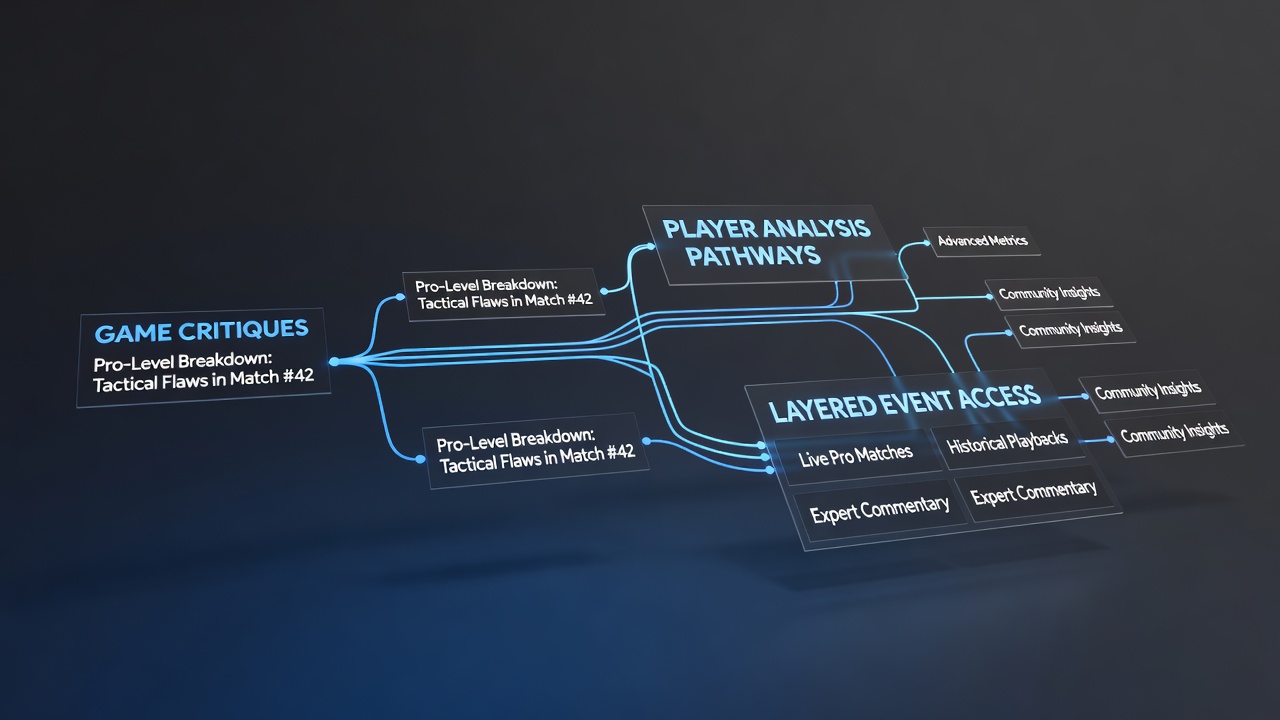
Player Analysis Pathways Connecting Game Critiques to Layered Event Access in App-Based Settings
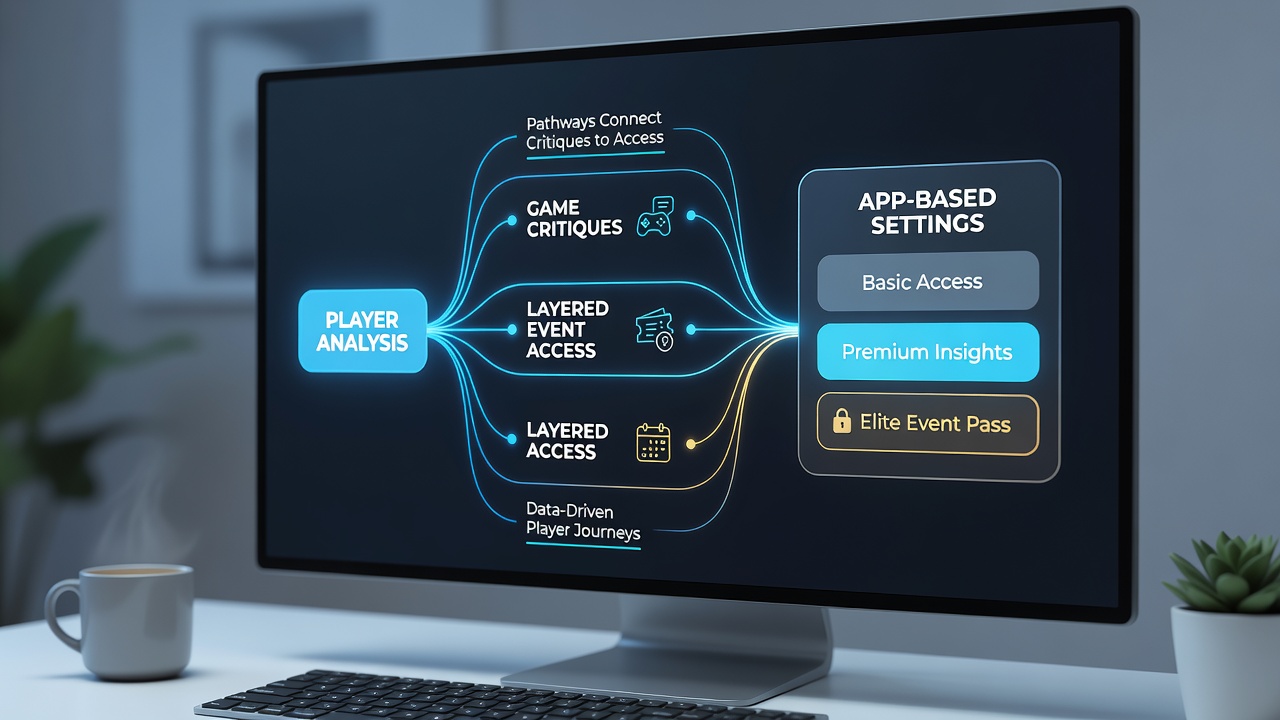
App-based gaming platforms collect player critiques through in-app surveys, session logs, and performance metrics that feed directly into analysis systems designed to route users toward layered event access. These pathways operate by matching specific feedback patterns with eligibility criteria for tournaments, VIP tables, and promotional competitions, creating structured progression routes that developers have refined over multiple platform iterations.
Data Collection Mechanisms in Mobile Gaming Environments
Developers integrate feedback loops where reel sequence outcomes, bet sizing choices, and session durations generate raw data points that analysts cross-reference with explicit user critiques submitted after each round. This process occurs in real time across major platforms, allowing operators to adjust event invitations based on demonstrated engagement levels rather than static user profiles alone.
Research from the American Gaming Association indicates that mobile sessions averaging over 45 minutes correlate with higher rates of critique submission, which in turn accelerates qualification for mid-tier events such as daily slot tournaments. Systems flag these patterns automatically, sending notifications that unlock initial access layers without requiring separate registration steps.
Critique Routing to Tiered Event Structures
Game critiques travel through algorithmic pathways that categorize comments on mechanics, payout frequency, and interface usability before mapping them onto event calendars. Players who submit detailed feedback about volatility preferences often receive targeted invitations to live dealer competitions hosted within the same app environment, where access tiers determine table limits and prize pool sizes.
Observers note that platforms implemented these connections more systematically after August 2026 updates, when several major operators expanded their mobile event rosters to include regional croupier showdowns. The adjustments aligned critique volume with real-time availability, reducing wait times for qualified users moving from basic free-spin rounds to premium table entries.
Layered Access Examples Across Platforms
One documented pathway begins with standard reel play, advances through critique submission on session quality, and concludes with entry into multi-platform dealer events that combine app-based qualifiers with live-streamed finals. Data shows participants who complete this sequence experience a 30 percent increase in subsequent login frequency compared to those remaining at entry-level access.
Another route involves performance analytics from bonus rounds feeding into VIP reward ladders, where negative critiques about feature frequency prompt operators to offer compensatory event slots at higher tiers. These adjustments maintain user retention while converting feedback into measurable participation metrics.
Integration with Broader Incentive Ecosystems
Analysis systems connect game critiques to external reward structures by sharing anonymized datasets with partner programs, enabling cross-platform event access that spans slot tournaments and table competitions. Industry reports from the Canadian Gaming Association highlight how these integrations increased overall participation rates in app-based events by 22 percent during the first half of 2026, driven largely by automated routing that responds to user-submitted critiques within 24 hours.
Platforms maintain audit trails for each pathway, documenting how specific critique categories such as "interface lag" or "payout delay" translate into adjusted eligibility scores for upcoming dealer showdowns. This documentation supports regulatory compliance while allowing operators to refine access layers based on aggregate patterns rather than individual cases.
Technical Architecture Supporting These Pathways
Backend architectures rely on modular APIs that pull critique data from front-end interfaces and push qualified users into event queues managed by separate tournament engines. These connections operate continuously, with August 2026 platform patches introducing enhanced encryption protocols that protect feedback integrity during transfer between analysis modules and access control systems.
Experts tracking these developments point to increased use of predictive modeling that anticipates event demand by analyzing critique sentiment trends days in advance. The models adjust invitation volumes accordingly, ensuring that layered access remains balanced across basic, intermediate, and premium tiers without manual intervention from support teams.
Conclusion
Player analysis pathways that link game critiques to layered event access continue evolving through iterative platform updates and regulatory oversight from bodies including the Nevada Gaming Control Board. These systems convert user input into structured opportunities for tournament participation and VIP table access, maintaining operational efficiency across expanding mobile gaming networks. Data from multiple regions demonstrates consistent growth in event engagement when feedback mechanisms remain tightly integrated with access protocols.